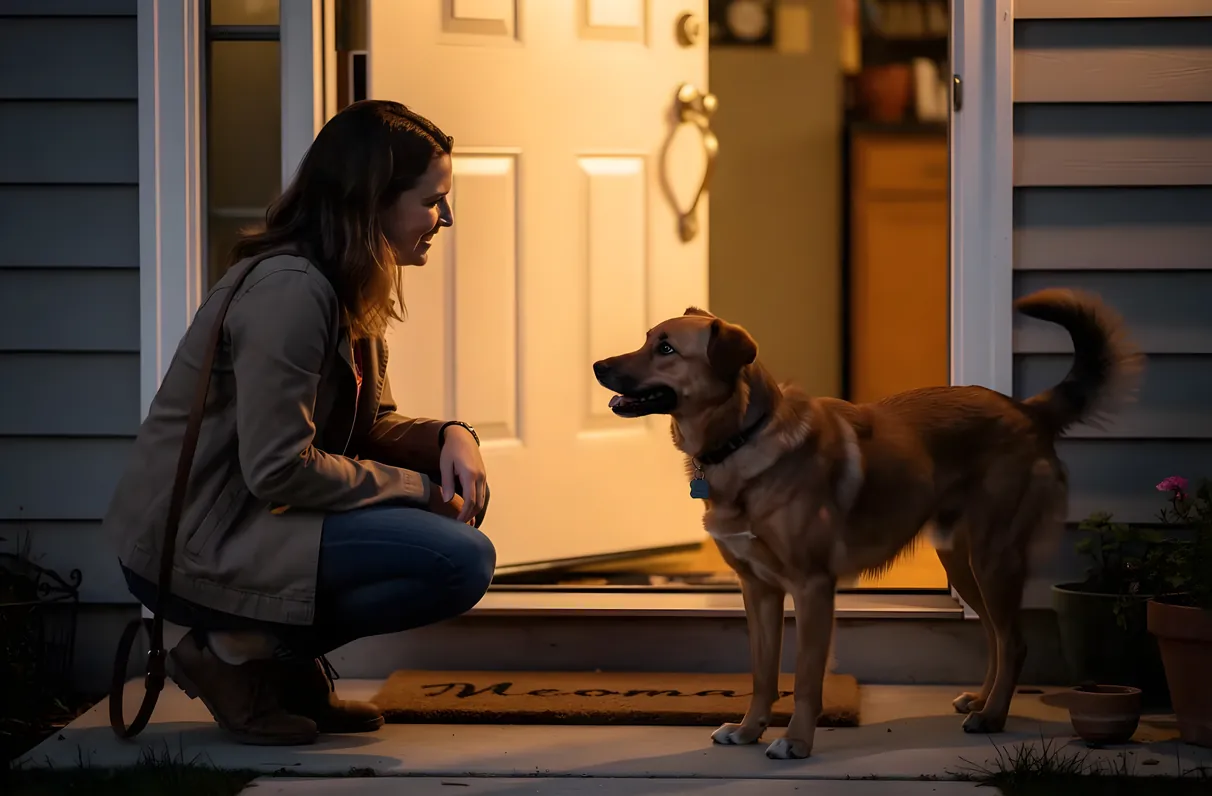
Preparing Your Home for a Pet Sitter
Most pet-sitting mishaps aren’t about the sitter or the pet, they’re about a detail nobody wrote down. A little preparation before the first visit closes most of that gap.
Write Down the Actual Routine
Don’t assume a sitter will figure out your pet’s schedule by feel. Write down, specifically:
- Feeding times, portion sizes, and where the food is kept
- Medication: dosage, timing, and how it’s given (in food, by hand, etc.)
- Walk schedule and any leash quirks (pulls hard, reactive to other dogs, needs a specific harness)
- Litter box location and cleaning frequency, for cats
- Any behavioral notes: hides when strangers arrive, resource-guards food, needs a slow introduction
Set Up Access
Decide how the sitter gets in (spare key, lockbox, garage code) and confirm it works before you leave, not after. If you have an alarm system, write down the arm/disarm code and any quirks (a door that triggers a false alarm if not closed a certain way).
Pet-Proof for a Stranger’s Visit
Your pet knows your house. A sitter doesn’t. Walk through anything that could be a hazard or a hassle for someone unfamiliar with the space:
- Gates or doors that need to stay closed to keep a pet contained
- Anything fragile or valuable within reach of a curious dog or cat
- Where the vacuum, paper towels, and cleaning supplies are, in case of an accident
Emergency Information
Leave clear, visible contact information for:
- Your pet’s regular veterinarian
- The nearest emergency vet clinic, if different from your regular vet
- A backup emergency contact (a neighbor, family member) who can make decisions if you’re unreachable
- Your own contact information and expected return time
A written sheet on the counter is something a sitter can double-check mid-visit.
For Acreage and Farm Animals
If your property includes horses, goats, chickens, or other livestock in addition to a house pet, the prep list is longer. Our guide to farm and acreage pet care in Seguin covers what to walk a sitter through specifically for that kind of property.
Do a Walkthrough
If you can, walk the sitter through your home in person before the first visit rather than relying only on written notes. Show them where everything is, introduce them to your pet while you’re still there, and give them a chance to ask questions on the spot. It takes twenty minutes and prevents most of the confusion that happens on a first solo visit. If you haven’t hired a sitter yet, our guide to what to look for in a Seguin pet sitter covers the questions worth asking first.
Common Questions
What should I leave written down for a pet sitter?
Feeding schedule and portions, medication instructions, walk routine, any behavioral quirks, and emergency contact information including your vet and a backup emergency contact. Written notes hold up better than a verbal explanation from days earlier.
Should I do a walkthrough before the first visit?
Yes, if you can arrange it. Twenty minutes in person, showing the sitter around and introducing them to your pet while you’re still home, prevents most of the confusion that comes up on a first unsupervised visit.
How far in advance should I confirm access works?
Test the key, lockbox, or garage code 24-48 hours before you leave, not the morning of. This gives you time to fix an issue instead of discovering it while you’re already out of town.