Farm & Acreage Pet Care in Seguin
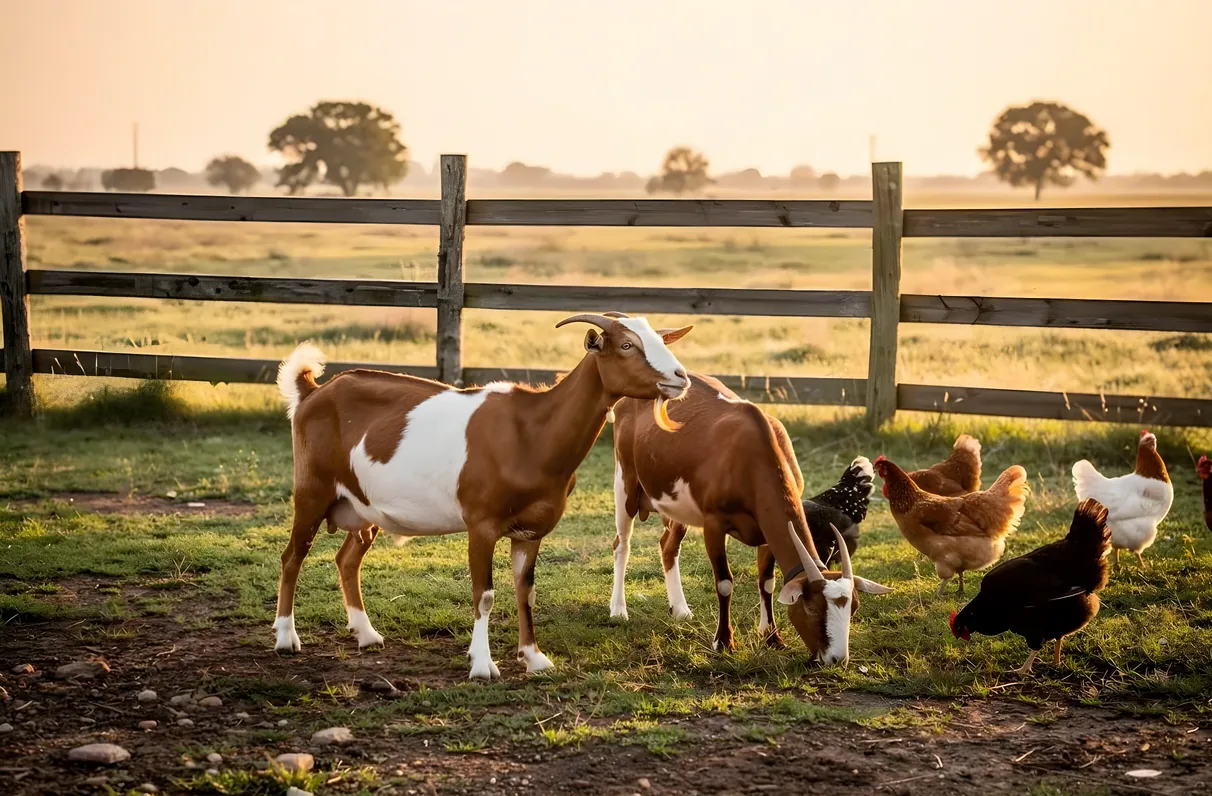
Guadalupe County has plenty of houses on a quarter-acre lot, and plenty more on five, ten, or forty acres with a barn, a coop, or a couple of goats in the back pasture. If you’re in the second group, “pet sitting” means something broader than a dog walk and a bowl refill, and not every sitter is equipped to cover it.
Why This Is a Different Job
A city apartment sitter’s checklist and a rural acreage checklist don’t overlap much. Livestock and farm animals bring their own routines: feeding schedules that vary by species, water troughs that need checking (not just topping off, but checking for algae, ice in winter, or a float valve that’s stuck), fencing that needs a visual walk-through, and species- specific handling that a dog-and-cat sitter may not have experience with.
What to Ask a Sitter Before Hiring for Acreage
- Direct experience with your specific animals. Horses, goats, and chickens are different jobs. A sitter who’s confident with dogs isn’t automatically confident haltering a horse or catching a loose chicken. Ask specifically.
- Fencing and containment familiarity. Will they notice a downed fence line or a gate left open, and do they know what to do if an animal gets out?
- Feed and water routine in your absence. Ask them to walk you through exactly what a visit looks like: what gets checked, in what order, and how long it takes.
- Weather contingencies. Texas heat and the occasional winter freeze both change what a farm visit requires. Ask how they handle extreme weather days specifically.
- Emergency vet contact for large animals. A large-animal or livestock-experienced vet is a different call than a small-animal practice. Confirm the sitter knows who to contact if a horse or goat needs attention.
Two Local Businesses With Large-Animal Experience
Our directory of Seguin pet sitters and dog walkers includes two businesses that specifically list large-animal and livestock experience alongside standard dog and cat care. If acreage or farm animals are part of your situation, that’s worth filtering for directly when you call around, rather than assuming every listed sitter covers it.
Fifteen minutes of observation tells you more than any conversation.
What Doesn’t Change
Even with farm animals in the mix, the basics from our guide on what to look for in a pet sitter still apply: bonding and insurance, a real backup plan if the sitter has an emergency, and references you can actually call. Acreage care adds questions on top of the standard list, it doesn’t replace them.
Common Questions
Do I need a different kind of sitter for horses versus dogs and cats?
Generally yes. Experience with horses, goats, or chickens is a distinct skill set from dog and cat care, and it’s reasonable to ask directly whether a prospective sitter has hands-on experience with your specific animals before hiring them.
What should a farm-animal visit checklist include?
At minimum: feeding on schedule, checking water troughs (not just refilling, but checking for problems), a visual fence walk-through, and a plan for what happens if an animal is out of its enclosure or shows signs of illness.
Should I watch a trial visit before I leave town?
It’s a reasonable request. Having a prospective sitter run through a full visit routine once while you’re still home lets you see exactly how they handle your specific animals before you’re relying on them unsupervised.